



St Cross Fellow's team launches world first clinical vaccine trial for Bundibugyo Ebola virus
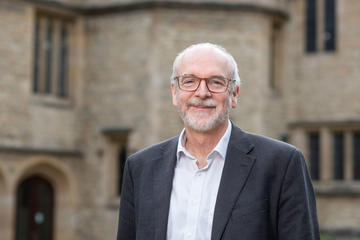
St Cross Fellow Sir Andrew Pollard, Director of the University of Oxford's Oxford Vaccine Group (OVG), has welcomed the launch of the world's first clinical trial of a vaccine against the Bundibugyo strain of Ebola virus, an important step towards protecting communities from one of the world's deadliest infectious diseases.
The vaccine has been developed in response to the recent outbreak in the Democratic Republic of Congo, where Ebola continues to pose a serious public health threat. There is currently no licensed vaccine against the Bundibugyo strain.
Sir Andrew, who has supported the Ebola vaccine programme from its earliest stages, said:
The Oxford Vaccine Group team has responded to the recent Bundibugyo virus outbreak by launching the world's first clinical trial of a vaccine against this strain of Ebola. It's a testament to the dedication of colleagues across Oxford and our international partners that we've been able to move so quickly from vaccine development to a first-in-human study.
Scientists at the Oxford Vaccine Group developed the vaccine before beginning manufacture at the University of Oxford's Centre for Biomanufacturing. Production was then transferred to the Serum Institute of India, which has manufactured thousands of doses to support the trial.
The Phase I study, known as BD-Ebov, will enrol 50 healthy adult volunteers in Oxford to assess the vaccine's safety and the immune response it generates. Recruitment is now underway, with vaccinations expected to begin following regulatory approval.
Just 57 days after the outbreak was declared a public health emergency, the vaccine had progressed from development to a first-in-human clinical trial – a rapid response made possible through close collaboration between researchers, manufacturers and international partners.
If the trial demonstrates that the vaccine is safe and generates a strong immune response, further clinical studies are planned in partnership with researchers in Uganda, moving the programme one step closer to protecting communities from future Ebola outbreaks.

